No products in the cart.
 06Nov
06Nov 

Motorcycle intercoms have become an essential gadget for riders who want to stay connected on the road. Whether you’re part of a riding group, traveling with a passenger, or just want to listen to music or GPS directions, a reliable intercom system can elevate your entire experience. This guide will walk you through everything you need to know about motorcycle intercoms – from how they work to choosing the right model for your needs.
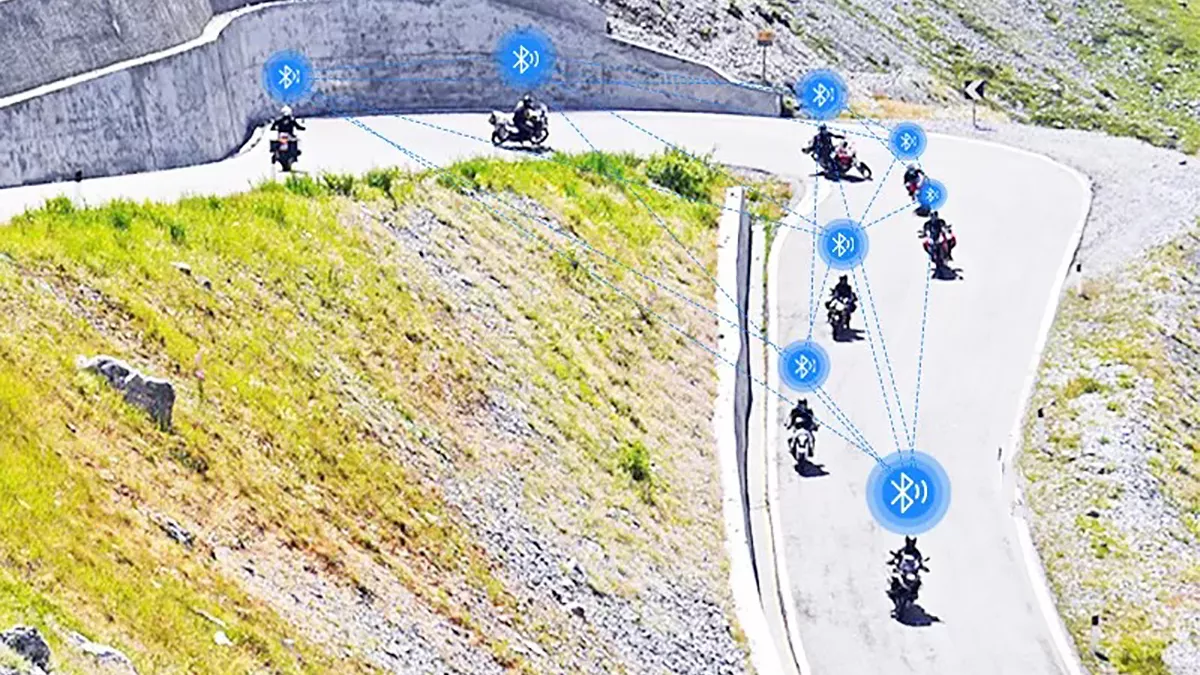
A motorcycle intercom is a communication device that allows riders to talk to each other while on the move. These systems are usually mounted on helmets and allow hands-free conversations via Bluetooth or other wireless technologies. Many modern intercoms also support phone calls, music streaming, GPS prompts, and even group chats with multiple riders.
There are several types of intercoms, and the best one for you depends on your riding style and preferences:
Wired Intercoms: Old-school but reliable, wired systems connect helmets through physical cables. They provide stable communication but limit mobility and aren’t ideal for solo riders.
Bluetooth Intercoms: Most common today, these systems connect via Bluetooth and support rider-to-passenger and short-range rider-to-rider communication.
Mesh Intercoms: Advanced systems that create a dynamic network among multiple users. Mesh technology allows riders to join or leave the group without disrupting the connection, making it perfect for large riding groups.
When choosing a motorcycle intercom, keep an eye out for the following features:
Range: Look for an intercom that offers a sufficient range for your needs — from 500 meters to over 2 km for high-end models.
Sound Quality: Noise cancellation and HD audio are crucial for clear communication, especially at high speeds.
Battery Life: A longer battery life ensures the unit lasts through extended rides.
Connectivity: Support for multiple devices (smartphone, GPS, etc.) and intercom pairing options.
Water Resistance: Essential for all-weather riding.
Ease of Use: Simple button layout or voice control makes operation safer and more intuitive.

Here are some trusted brands that offer top-quality intercom systems:
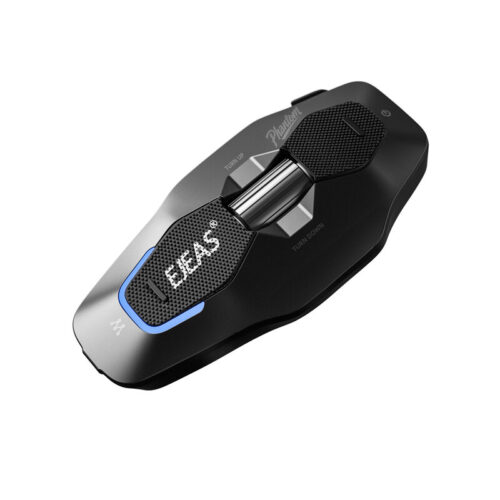
EJEAS: Known for its durable, budget-friendly intercoms with both Bluetooth and Mesh capabilities. Models like the EJEAS V6 PRO and X10 are popular among daily commuters and group riders alike.
Cardo Systems: High-end intercoms with advanced JBL sound and Dynamic Mesh Communication (DMC).
Sena: Offers a wide range of models, from entry-level to premium, with strong audio quality and app support.
Lexin: Affordable and user-friendly, great for casual riders.
Installation typically involves mounting the main unit to the side of your helmet and placing the speakers and microphone inside the helmet lining. Most units use adhesive pads or clamps for secure attachment. Modern intercoms are designed to be DIY-friendly and can be installed within 10-15 minutes.
Once installed, using your intercom is simple:
Power On/Off: Usually done with a long press of a button.
Pairing Devices: Follow the manufacturer’s instructions to pair with your smartphone or other intercoms.
Hands-Free Operation: Use voice commands or large buttons to make calls, adjust volume, or communicate with fellow riders safely.
Designate a Lead: Having a leader helps coordinate the group and maintain order during communication.
Keep It Short and Clear: Speak clearly and avoid long conversations that may distract from riding.
Know Your Range: Stay within the recommended range for uninterrupted communication, especially when using Bluetooth intercoms.
Always prioritize safety when using an intercom:
Hands-Free Use: Only use voice commands or single-touch buttons while riding.
Local Laws: Check your country or state’s regulations. Some places have restrictions on helmet audio systems.
Helmet Compatibility: Make sure your helmet supports intercom installation, especially if it’s a full-face or modular type.

F6_2-6 person Referee Communication System

S2 Snow Eagle_2-4 person Ski Intercom System
 06Nov
06Nov  04Dec
04Dec  12Dec
12Dec  18Dec
18Dec  11Feb
11Feb  by
by 